The Gift of Uncertainty
Author: Leaman Westly
I have a friend who grew up visiting his grandparents in rural Montana. In wintertime the snow was so thick that his grandfather could only see a few feet ahead before the headlights met a wall of falling snow. When the need arose, Jesse’s grandfather would drive for hours like this.
Over the last two years I’ve sat with a lot of people who feel like they are fighting their way through some kind of storm; who are filled with dread about an opaque and uncertain future.
It’s not difficult to see that we are in a time of change. AI, environmental catastrophe, political corruption, economic uncertainty, and the proliferation of violent policies are all challenging our beliefs and assumptions about the future and our place within it. The ice raids and deployment of national guard across the US, the devastation of Gaza, the removal of SNAP benefits in NYC and countless other projects with multigenerational, life-changing impact are unfolding before our eyes. Even for those not directly affected, the Moral Injury of witnessing these atrocities can lead to prolonged states of Hyper/Hypo-arousal.
With all of this and more happening to us or around us, it can be hard not to feel like a frog in a pot of water with the temperature slowly rising. Chronic uncertainty and fear tends to elicit two defenses: feelings of despair, and desire for control.
In times of great uncertainty, how do we flow with change even when these changes go against our desires, sense of morality or even wellbeing?
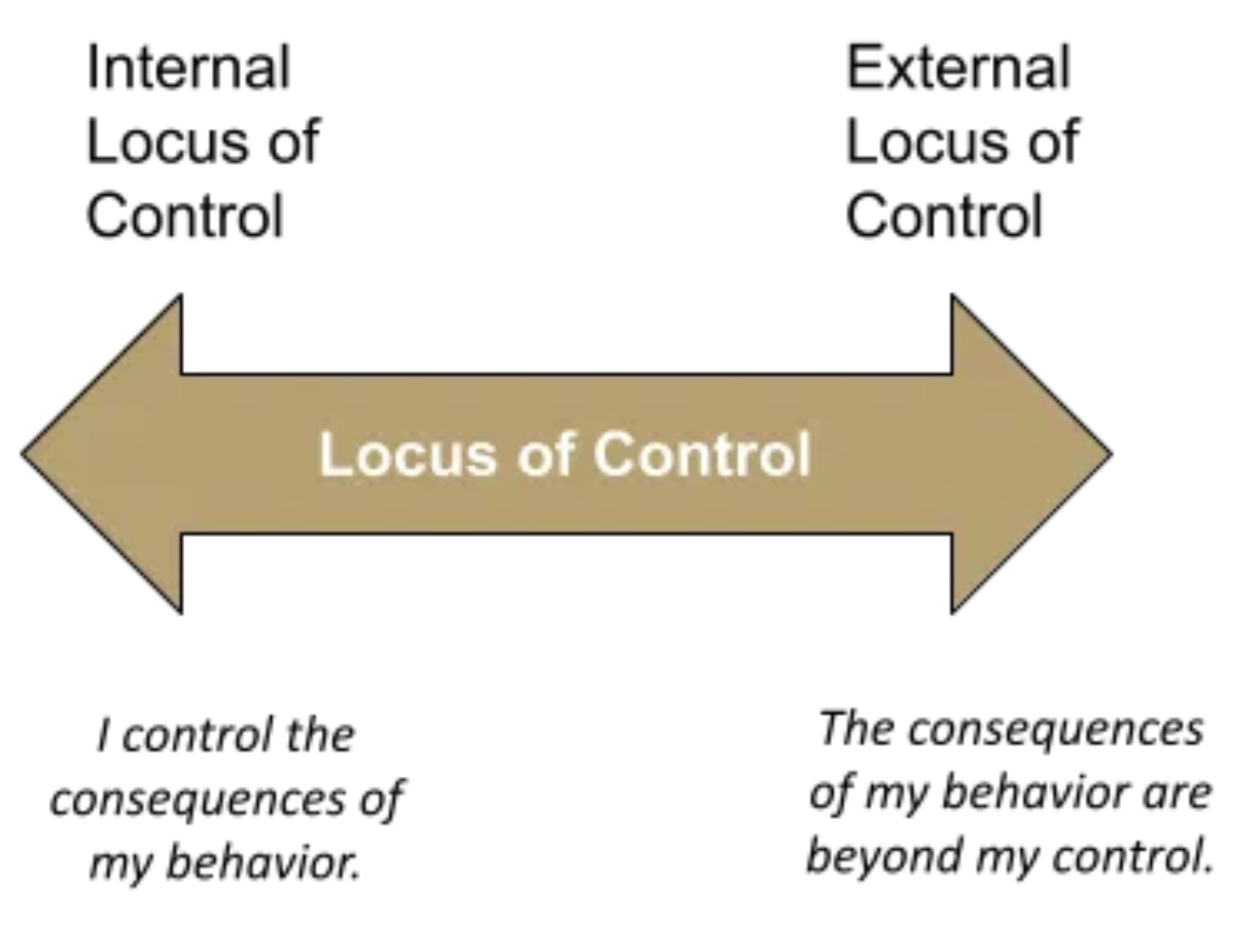
The theory of Locus of Control (LoC) can help us find purchase in the here and now. The theory describes the degree to which individuals see outcomes as a result of an internal locus, versus an external locus. An unbalanced internal locus might sound like, “nothing I do is enough.” Individuals with an internal locus see outcomes as primarily resulting from their own efforts or abilities. An unbalanced external locus may be expressed as “nothing I do matters” and results from the belief that outcomes are primarily shaped by external forces.
How do we embrace the positive aspects of these loci while releasing stagnation? How do we bring these perspectives into balance? In short, how do we remain wholehearted in the face of fear and uncertainty? Here are some writing prompts to help guide your rebalancing:
*Create a comfortable space for yourself. Light a candle, take a nourishing breath, make a cup of tea, grab a blanket–whatever you can do to create a safe space for your body and psyche. Grab something to write with & on.*
Who are you doing this with? Our willingness to tolerate uncertainty is dramatically increased by the knowledge that we are in good company. Who are the people, conversations, experiences, artworks, books etc.. that remind you you are not alone? Write them down.
What kind of world do you want to live in? Building a better world starts with imagining one so take some time to stoke your creativity. It’s the year 2035. You are thinking to yourself “I can’t believe how much things have changed for the better since in the last ten years.” Where do you picture yourself? How are you spending your time, money, energy and attention? How do you feel when you walk out your front door? How are your neighbors? What is happening in your local, national and global environment? What feelings would this environment engender? Write it out.
What is one thing you can do today that will bring you .00001% closer to that world? Write this thing down. When we are overwhelmed we often feel that we have to do everything all at once or else. Locating your personal power in the here and now soothes anxiety and disrupts stagnation. Extra credit: Now go do it.
Like my friend’s grandfather, driving him home in the snow; we can make long journeys together just by following the edge of our headlights.